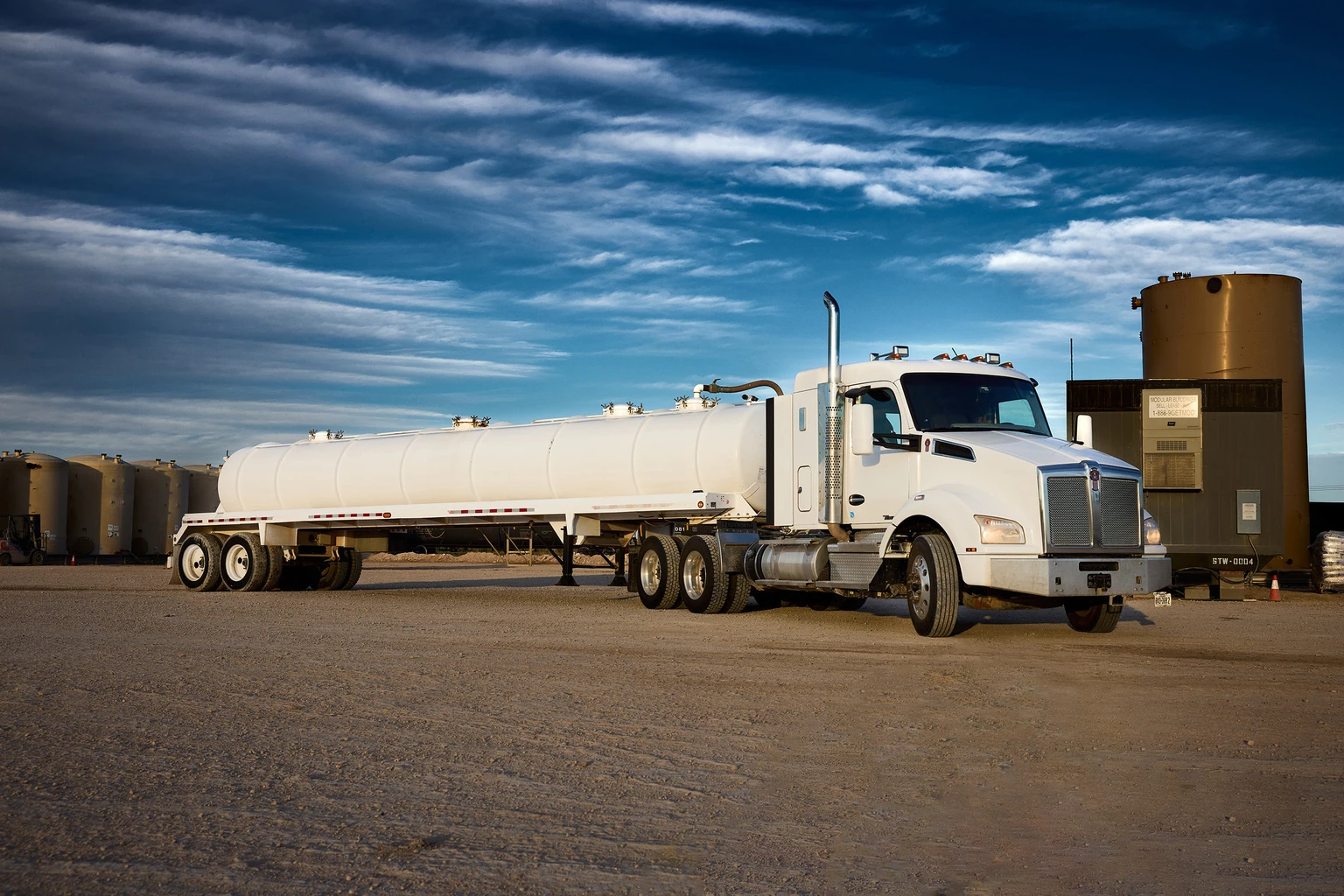
Turn the chemical duty, site constraints and equipment interfaces into a defined engineering and custom-design brief.
Start with the duty and the interfaces.
Chemical equipment needs a clear description of what it must handle and where it will connect. Provide the fluid, required operating range, storage and transfer arrangement, available utilities and site constraints. The engineering discussion should connect those requirements with the selected chemical program.
Design around the actual location.
New packages and changes to existing installations can present different access, layout and control requirements. Compare the proposed arrangement with installation, operation and maintenance needs. Agree the required drawings, documentation and commissioning support within the project scope.
Services for your application.
Define the scope around the application and the information needed for the next decision.
- Duty definition. Describe chemical properties, operating range and the performance requirement.
- Equipment specification. Connect pumps, storage, mixing and controls with the intended service and interfaces.
- Custom arrangement. Review footprint, access, tie-ins and utility constraints for a site-specific design.
- Project handoff. Agree documentation, testing and installation or commissioning responsibilities.
Custom design for the site constraints.
Use the same duty brief to compare footprint, storage, transfer and dosing arrangements. Identify which elements can use a standard package and which require a custom solution. Existing installations also need a review of access, tie-ins and the effect of a retrofit on normal operation.
How we support your project.
Define the requirements
Capture chemical duty, site layout and connection points.
Review the concept
Compare the proposed arrangement and its operating constraints.
Prepare the handoff
Agree the equipment scope, documents and next project stage.
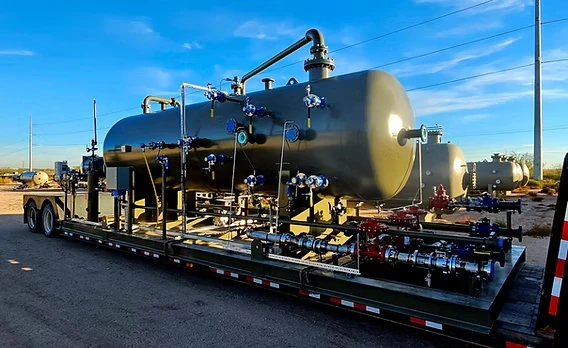
Information for your enquiry.
- Fluid and chemical-handling requirements.
- Operating range and required capacity.
- Site layout, tie-ins, utilities and access limits.
- Documentation, testing and project schedule.