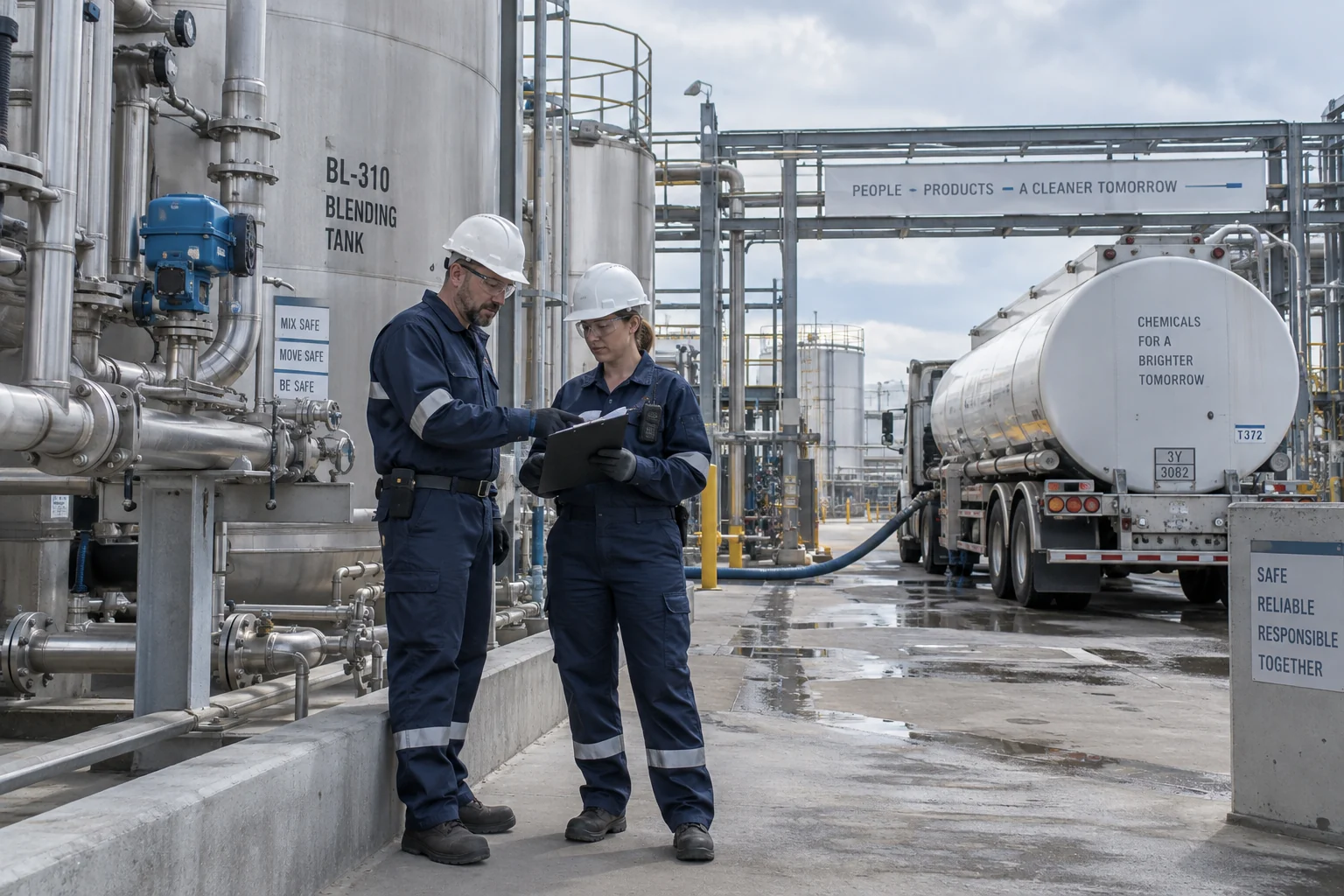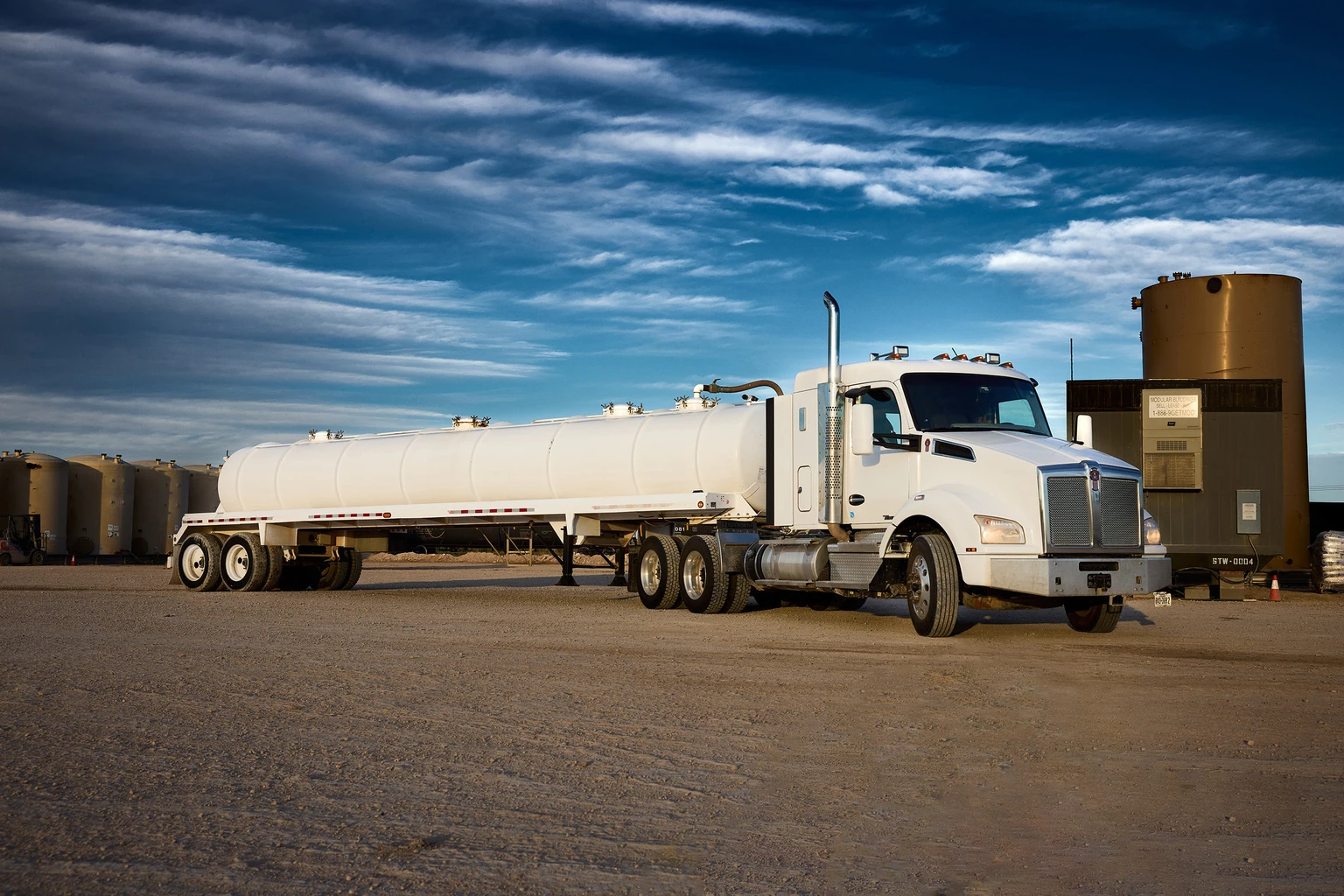
Build the stimulation chemical package around the treatment water, pumping conditions and formation concerns, then connect evaluation with supply and field application.
Water and the complete package come first.
Matrix works across friction reduction, clay stabilization, scale control and microbial-control requirements in stimulation programs. Water source, salinity, hardness, iron and changes in the blend can affect the evaluation. Review the full package at the intended concentrations and addition sequence.
Choose a formulation for the operating conditions.
The Matrix A Series provides anionic FR options; the C Series brings a cationic platform to friction-reduction and clay-interaction questions. Charge type alone does not select the product. Grade, dose, water chemistry, mineralogy and the other additives all matter.
Friction-reducer formulation
Water, polymer design and the complete additive package shape the selection.
Water & conditions
Water source and blend, salinity, hardness and iron, plus flow and hydration time.
Polymer design
Molecular weight, charge and monomer balance, and chain architecture.
Chemical package
Other additives and residuals, concentration and sequence, and handling and supply format.
Evaluate together
Friction response · Hydration · Compatibility · Formation interaction
Services for your application.
Friction reduction
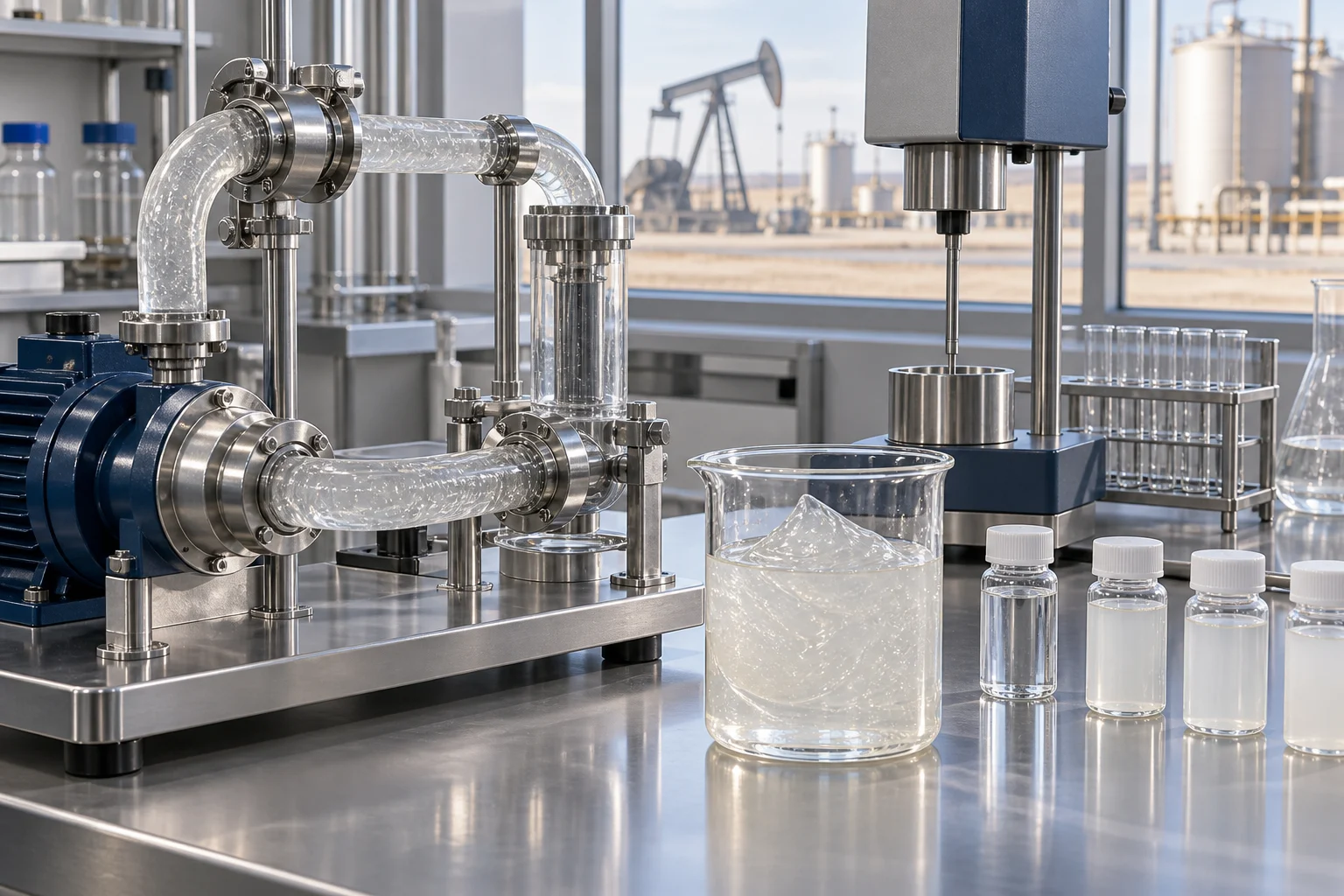
Compare candidate formulations under representative water and flow conditions. Define hydration time and the target response before interpreting a friction-loop result.
Clay stabilization
Review swelling and fines movement as separate formation risks. Cationic FR may provide a dual role; mineralogy and formation-facing evaluation determine the fit.
Scale and microbial control
Review ScaleFrac 880 and BioMax within the full package. Compatibility and the intended use conditions must be evaluated together.
Chemical addition and reporting
Connect the chemical plan with storage, metering and site interfaces. The Chem Add Trailer can be scoped for liquid chemical addition and stage-level records.
How we support your project.
Describe the treatment
Provide water, completion conditions and formation concerns.
Evaluate the package
Review FR response and the interactions among the planned additives.
Prepare the field program
Confirm quantities, supply, metering and reporting responsibilities.
A dedicated chemical-addition capability.
The Chem Add Trailer connects liquid chemical addition with metering and stage records. Review its scope, controls and reporting as part of the equipment and field program.
Information for your enquiry.
- Representative water and expected source changes.
- Pumping rate, temperature and treatment sequence.
- Current chemical package and formation information.
- Consumption forecast, location and field-support scope.