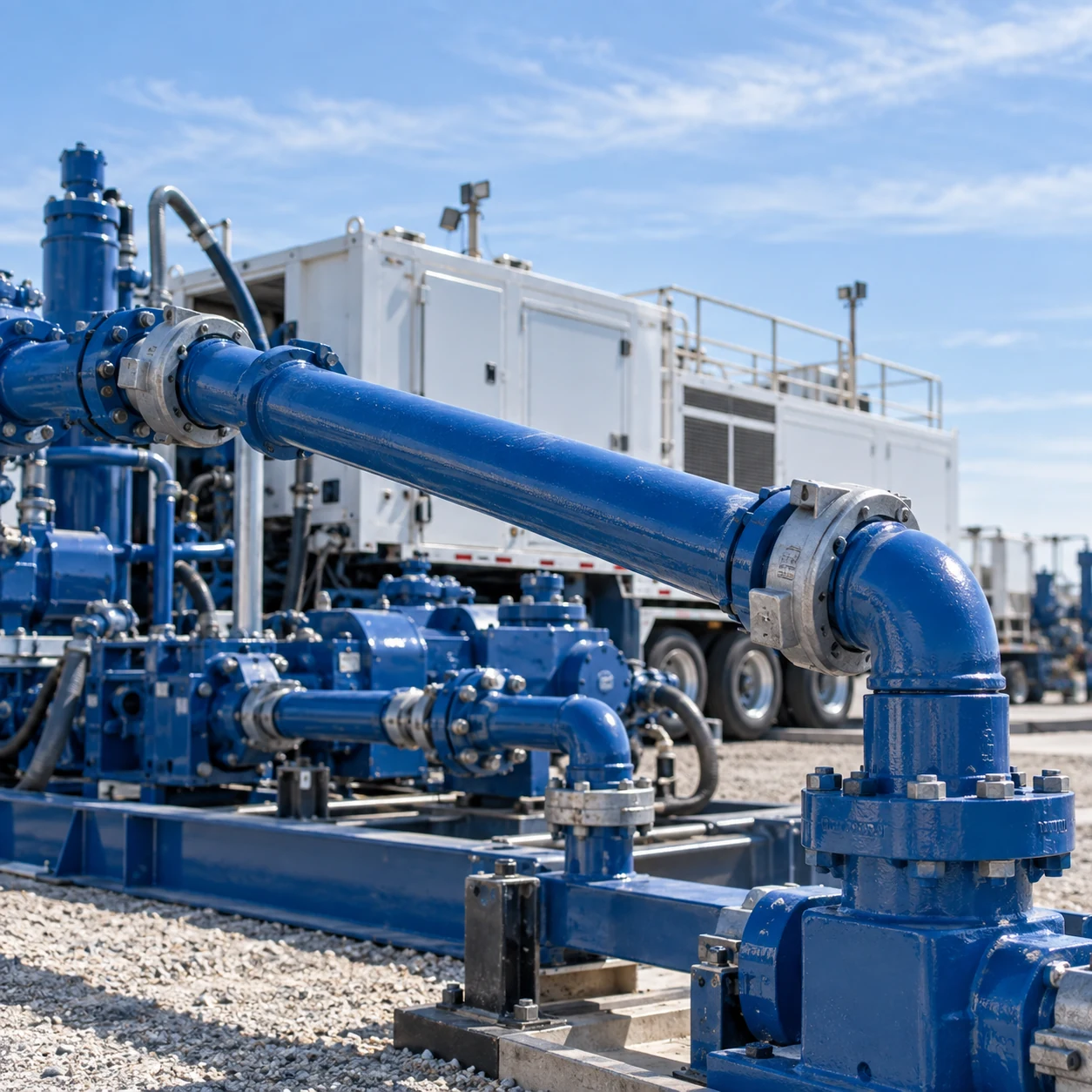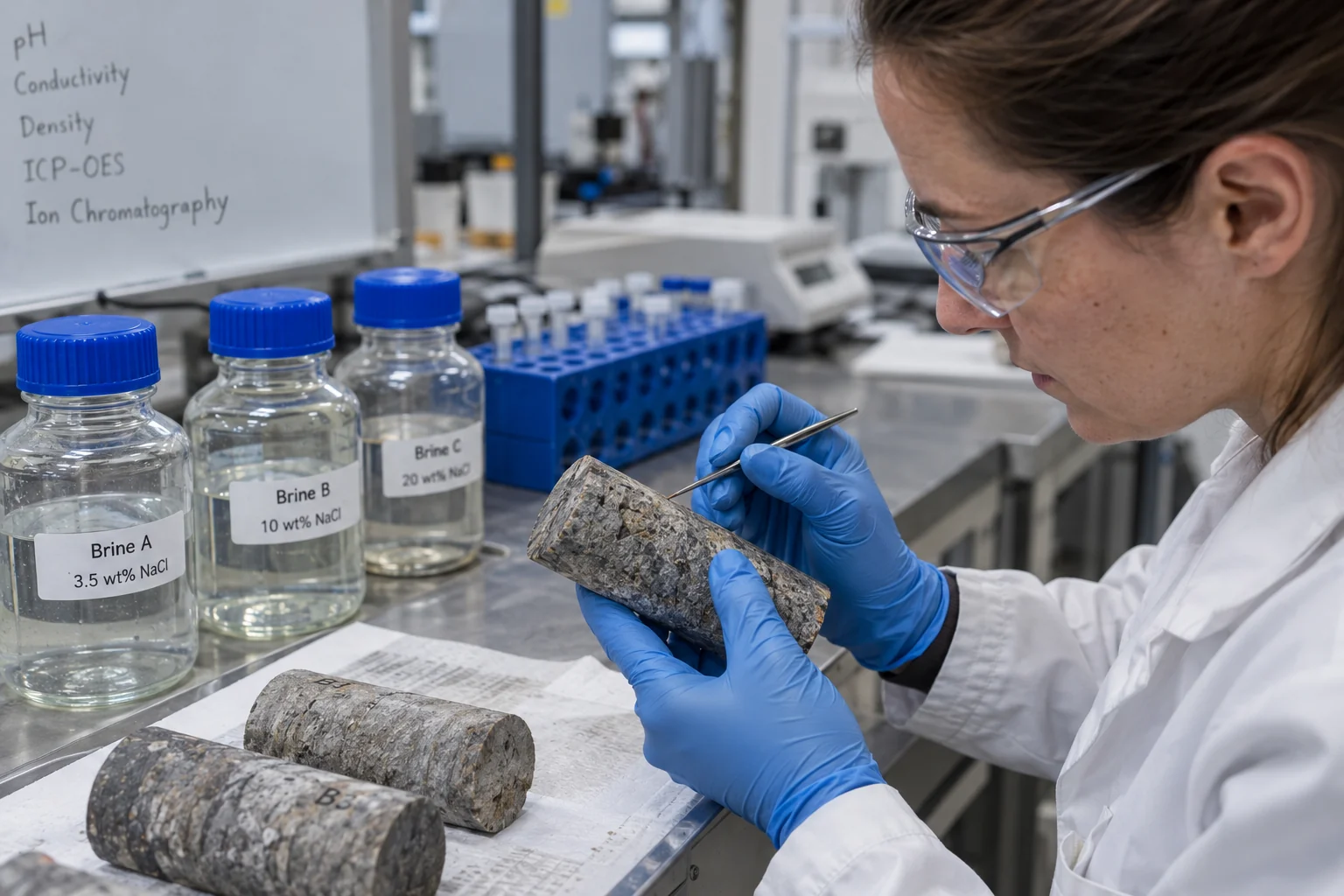
Cationic friction reducers for freshwater and brine programs, with clay-interaction requirements evaluated alongside friction response.
Friction reduction and clay interaction
Matrix C Series combines a friction-reducer polymer platform with cationic chemistry for clay-stabilization applications. Evaluate the surface-flow response and formation interaction as separate parts of the program.
MTM C30
Freshwater to low-brine cationic friction reducer
MTM C40
Mid-brine cationic friction reducer
MTM C50
High-brine cationic friction reducer
Grades across water conditions
C30 covers freshwater to low-brine applications, C40 mid-brine and C50 high-brine programs. The complete water analysis and formation requirements guide grade selection.
Keep compatibility in the evaluation
Evaluate the cationic FR with scale inhibitors, surfactants, biocides and residual chemistry at the intended concentrations and addition sequence. Confirm the complete package before changing a dedicated clay stabilizer.
What to bring
Share water analysis, mineralogy information, current FR and clay-control products, concentrations, flow conditions and the formation concern to investigate.
Clay swelling & fines migration
Different mechanisms require different evaluation methods.
Swelling
Clay layers expand with water exposure, narrowing the available pore space.
Fines migration
Small particles move with the fluid and can bridge or block pore throats.
Evaluate mineralogy, water chemistry and treatment exposure together.