Cationic friction reducers can connect a surface-flow objective with a formation-interaction objective. Those two roles require different evidence, and both belong in the treatment review.
Separate swelling from fines movement.
Clay-related formation concerns are not all the same. Swelling involves a change in the clay structure as it interacts with water. Fines movement involves small particles becoming mobile and relocating within the pore system. Both can affect fluid movement, but they describe different processes and should not be collapsed into a single claim about clay damage.
This distinction matters because the evaluation must reflect the question being asked. Knowing that clay minerals are present is a starting point; understanding mineralogy, fluid exposure and the behavior of the representative material helps define which observations are needed.
What the cationic role adds.
Matrix C Series is a cationic friction-reducer platform with clay-stabilization applications. Polymer charge contributes to adsorption and particle interaction. The intended benefit is a formulation that can address friction reduction while contributing to control of clay-related behavior.
That is a proposed dual function, not a reason to remove every separate clay-control component automatically. The formulation, dose, mineralogy and water chemistry influence the application. A decision to change the package should be supported by testing under representative conditions, including the other additives and any residual chemistry in the water.
Clay swelling & fines migration
Different mechanisms require different evaluation methods.
Swelling
Clay layers expand with water exposure, narrowing the available pore space.
Fines migration
Small particles move with the fluid and can bridge or block pore throats.
Evaluate mineralogy, water chemistry and treatment exposure together.
Friction response and formation response are different.
A surface friction-loop test can compare the response of candidate FR formulations in a defined fluid and flow condition. It does not directly measure how a rock sample responds to exposure, whether fines move, or how much conductivity remains after a particular treatment sequence.
The opposite distinction also matters. A favorable formation-facing observation does not show that the product hydrates fast enough or provides the required surface friction response for the pumping program. The evaluation should state both objectives at the beginning so one result is not used to stand in for the other.
Salinity is part of the comparison.
Salinity, hardness, iron and the composition of the water blend affect polymer behavior. Compare candidate formulations in water that represents the actual treatment, including expected changes in recycled or produced-water content.
Both charge type and the complete formulation matter. Matrix A55 is an anionic option for high-TDS applications; C Series grades provide a cationic route. Evaluate the actual grade, concentration, hydration response and full chemical package before selecting a formulation.
The complete package can change the answer.
Interactions with anionic scale inhibitors, surfactants and residual chemistry can affect the treatment package. A cationic FR should therefore be evaluated with the complete planned package. The product family name does not establish compatibility with every additive in that package.
Keep the intended concentrations, addition order and contact conditions in the evaluation. If a candidate looks acceptable alone but behaves differently after another additive is introduced, the relevant next step is to understand the interaction and revise the test or package. Increasing one component without investigating the rest of the formulation can obscure the cause.
Build an evaluation around the mineralogy.
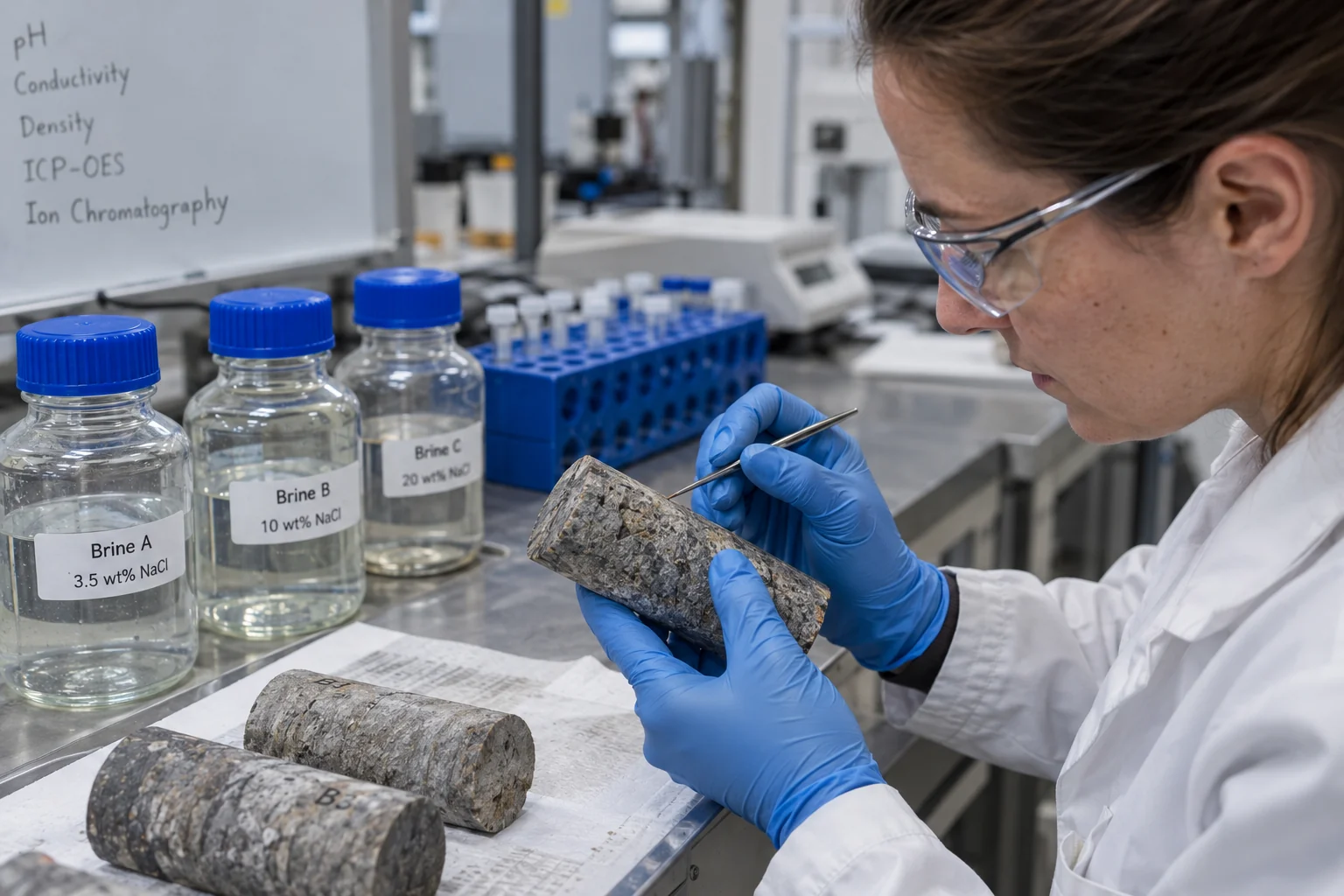
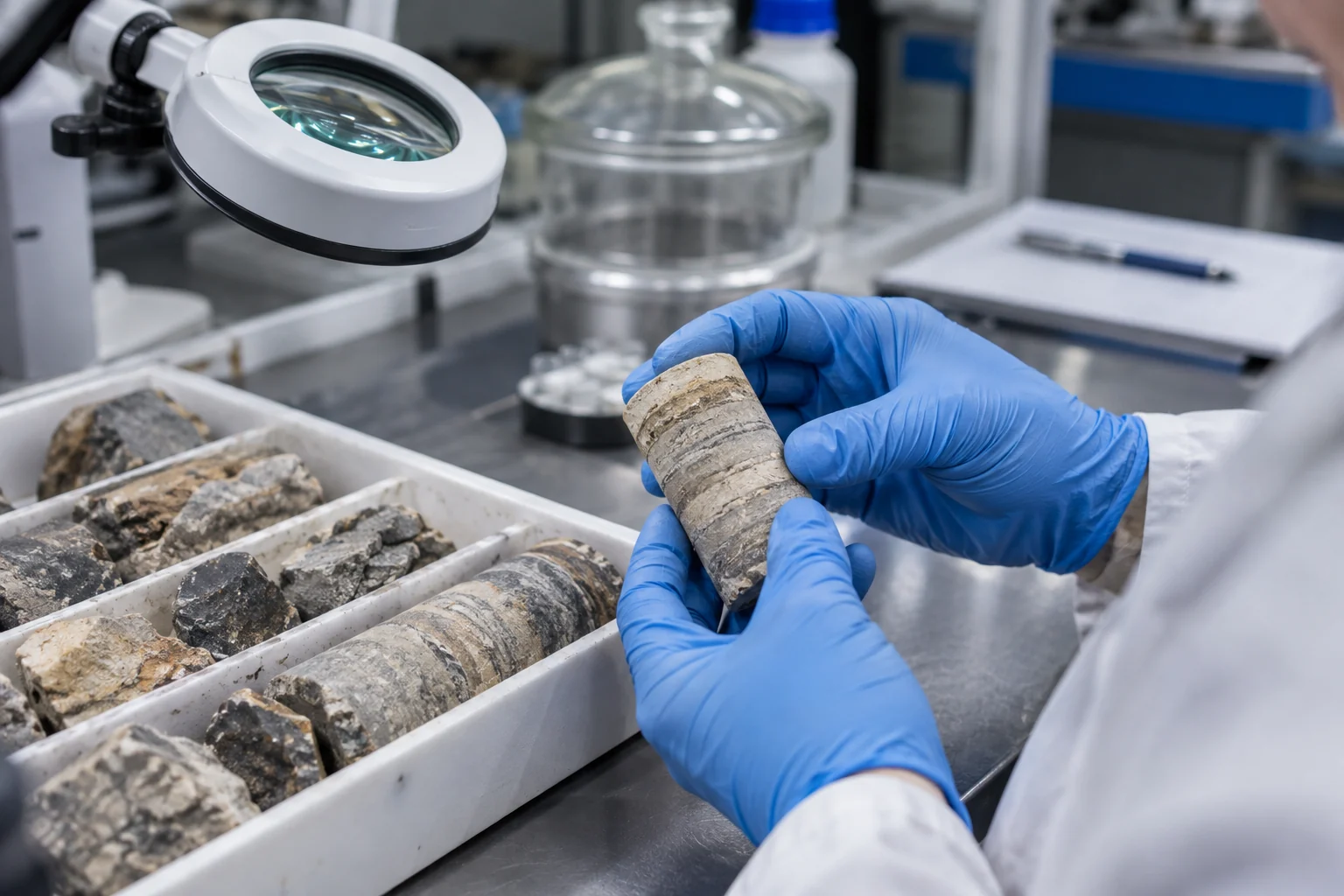
A useful study may begin with available mineralogy information, including X-ray diffraction where appropriate, together with water analysis and a record of the current treatment. Jar compatibility, friction-loop work and formation-facing flow evaluation provide complementary information.
Confirm the required methods and where each part of the work will be performed. A specialist study, sample requirement or partner laboratory may need a separate scope. What matters is whether the selected evidence answers the application question.
Use the right test metric.
Conductivity, permeability, friction reduction and production are distinct measurements. A conductivity-regain result relates to a particular test and its conditions. It cannot replace a permeability study or predict production on its own.
When comparing results, keep the test method, fluid, concentration, sample and exposure conditions together. That context makes it possible to judge whether the result addresses the treatment being considered.
Evaluate friction reduction and clay stabilization separately.
For the surface-flow role, ask whether the candidate develops the required response in the intended water and available hydration time. For the formation-facing role, ask what evidence addresses the specific mineralogy and exposure sequence. Write these as separate acceptance questions so a strong answer to one does not obscure an unresolved issue in the other.
The starting conditions also need to be comparable. Identify the reference fluid or treatment, sample characteristics, sequence and the quantities being measured. A formation-facing comparison without a clear reference makes it difficult to distinguish the effect of the formulation from differences in the test setup. Request the full method and result context when a numerical claim matters to a project decision.
Consider what would trigger another review. A different water blend, a new additive, a changed concentration or new formation information can affect the assumptions behind the selection. This does not make the earlier result invalid; it defines the boundary of the question that result answered. The next evaluation can then focus on the changed condition.
The same discipline applies to a proposed reduction in the number of additives. A dual-role formulation may create an opportunity to simplify the package, but the simplified package is a new combination to evaluate. Compare its friction response, compatibility and relevant formation-facing evidence before treating the change as a completed field decision. The practical objective is an effective overall program, not simply fewer product names on a ticket.
Evaluate performance at the intended concentration.
Molecular weight, charge and polymer loading can affect the formation-facing response. More polymer is not automatically the same as a better overall treatment. The useful target is a package that meets the surface and formation objectives under the agreed conditions.
Bring Matrix the water profile, mineralogy information, current FR and clay-control products, concentrations and operating conditions. Describe whether the concern is swelling, fines movement, friction response or a combination. That creates a clear basis for reviewing C Series options and deciding what evidence is needed before changing the field program.